

The six pillars of a safe building and the questions buyers should ask a construction firm.
Since Türkiye lies on active fault lines, the value of a home should be measured first of all by its earthquake resilience. A safe building is not just a good design; it is the combination of the right ground, the right materials and the right inspection.
1. Ground survey
A geological and geotechnical ground survey determines the ground's bearing capacity, liquefaction risk and groundwater level. Raft foundation, piled foundation or ground improvement is decided according to the survey result.
2. Turkish Building Earthquake Code (TBDY 2018)
The code, in force since 2019, requires new buildings to be designed according to ground-motion levels and soil class. Shear-wall (reinforced concrete wall) structural systems behave more rigidly against lateral loads than column-beam frames.
3. Concrete and reinforcement quality
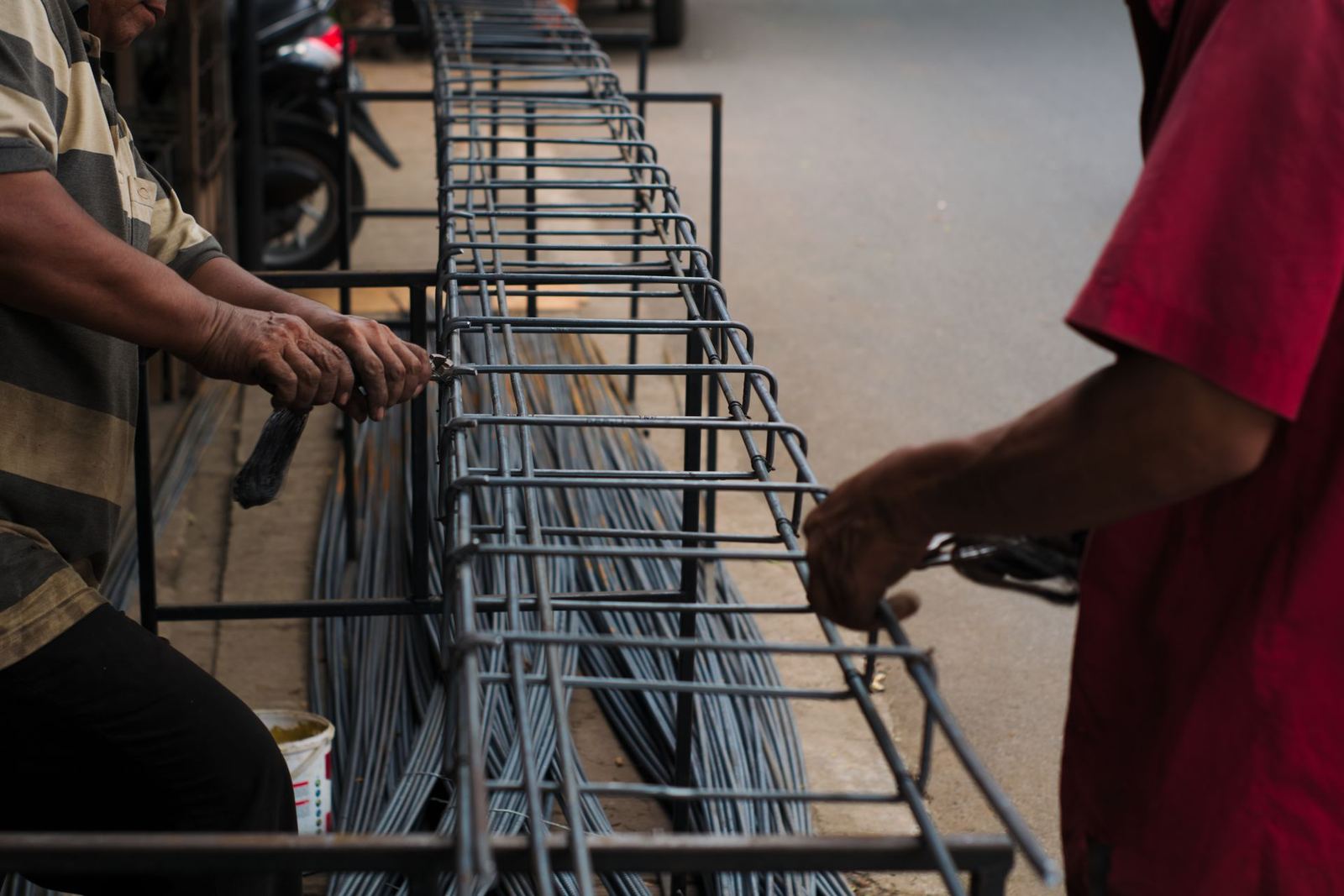
Ready-mix concrete class is tested in an accredited laboratory by sampling every pour. The yield and tensile strength of ribbed reinforcing steel should be certified. Workmanship errors such as rust, oil or faulty laps can lower the design's strength on paper.
4. Building inspection
Under Law No. 4708 on Building Inspection, the inspection body audits and approves the work stage by stage. As a buyer you can ask for the inspector's name, inspection reports and concrete test results.
5. What should buyers ask?
- What are the soil class and foundation type?
- Is the structural system shear-wall or frame?
- Are concrete class and sample results shared?
- Was the structural design independently checked?
6. Insurance and maintenance
Compulsory earthquake insurance (DASK) and optional home insurance reduce the cost of possible damage. Regular maintenance and common-area checks after handover extend the life of the building.
This article is prepared for general information; for the safety of a specific building, seek the opinion of a qualified civil engineer.
See it with your own eyes
A site visit is the most effective way to understand the quality of a home. Look at the spacing of reinforcement in columns and shear walls, the smoothness of concrete surfaces and the order on site. A well-managed site looks clean, planned and fully safeguarded, which is usually a sign of the quality of the rest of the building.
For older buildings
If you live in an existing building rather than buying a new home, you can have your building's seismic performance analysed by authorised bodies. If it is identified as a risky structure, you can benefit from rent support and low-interest loans under urban transformation.